 en
 kor
 de
 jp
 pl
 pt
 it
 fra
 vie
 may
 fil
 th
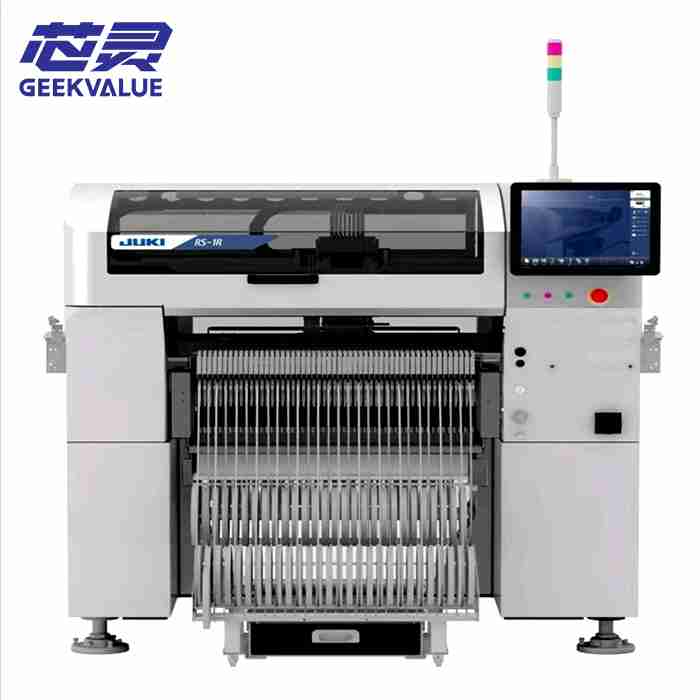
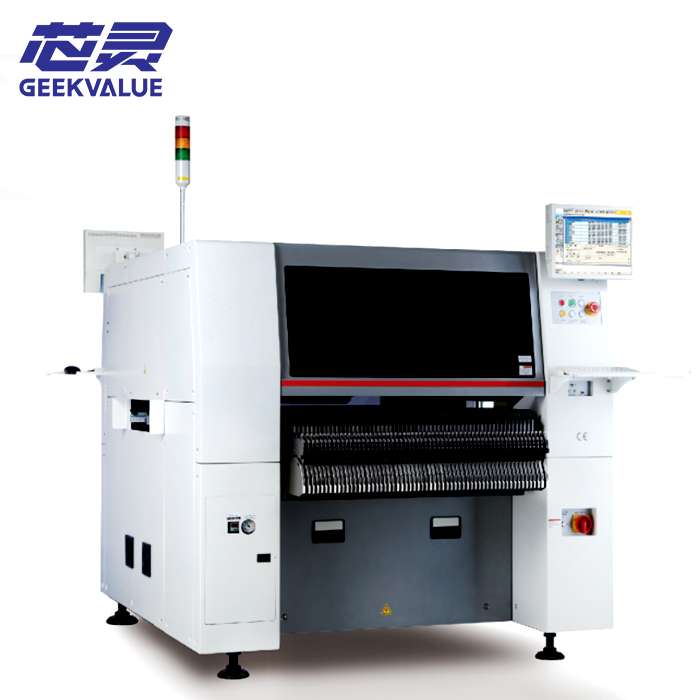
The JUKI RS-1R changes its placement approach through the Takumi head, which adjusts its operating height according to component requirements. This allows the machine to handle changing assembly workloads without replacing the head to switch between speed-oriented and flexible placement roles.
JUKI rates the RS-1R at up to 47,000 CPH under optimum conditions. Actual board output depends on the component mix, recognition requirements, feeder arrangement and placement sequence.
For a factory running frequent product changes, the useful discussion is how the RS-1R handles the whole assembly. Small chips, taller components and larger packages create different movement and recognition demands.
We can discuss an RS-1R enquiry around your BOM and PCB data. Include your expected output and changeover frequency so the required feeder capacity, nozzle selection and software functions can be considered with the machine.
Meta Description:
Compare JUKI RS-1R options for changing PCB assemblies. Ask about Takumi head operation, feeder capacity, nozzle selection and production requirements.